Skip vs Van: Best Low-Cost Rubbish Option for N9 Homes
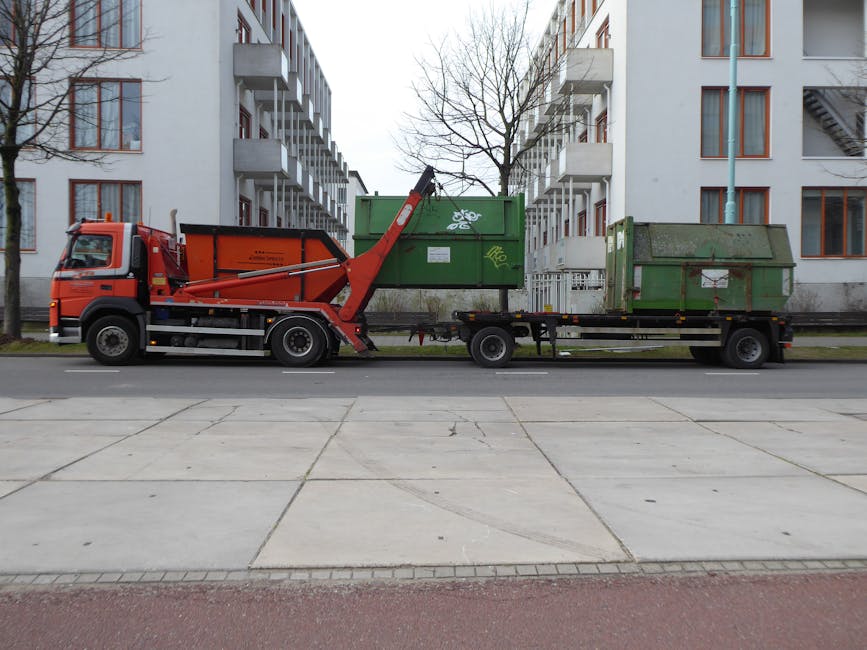
If you live in N9 and you've got a pile of unwanted stuff building up, the choice usually comes down to two practical options: a skip or a rubbish van. Both can work. Both can be low-cost in the right situation. But they do very different jobs, and choosing the wrong one can mean paying for space you never use, waiting around longer than you planned, or dealing with access headaches on a narrow street. This guide breaks down Skip vs Van: Best Low-Cost Rubbish Option for N9 Homes in plain English, so you can decide what makes sense for your home, your budget, and your day-to-day reality.
We'll look at how each option works, where the real savings tend to be, what to watch out for, and which choice usually suits different kinds of household clearances. Nothing flashy. Just the kind of practical advice that helps when the hallway is full and the back garden is starting to look like a storage unit. Let's face it, rubbish has a knack for spreading when you're not looking.
Why Skip vs Van: Best Low-Cost Rubbish Option for N9 Homes Matters
For many N9 households, rubbish removal isn't a massive one-off project. It's usually a mix of things: an old sofa that no longer fits the room, loft clutter that's been ignored for years, garden waste after a weekend clear-out, or building debris from a small DIY job. That mix matters, because the cheapest option is rarely the one with the lowest headline price. It's the one that best fits the type and amount of waste you actually have.
In an area like N9, access can also play a big part. Some roads are tight, parking can be awkward, and not every property has the front space for a skip. If you've ever stood at the kerb and wondered where a skip would even go without annoying half the street, you're not alone. A van-based collection can sometimes solve that neatly. On the other hand, if you're clearing slowly over a few days, a skip may be more convenient because you can fill it at your own pace.
So why does this decision matter so much? Because the wrong choice can create extra costs in small but annoying ways: permit issues, wasted capacity, multiple trips, missed collection windows, or simply paying for a service that feels clumsy for the job. Choosing well saves money, yes, but it also saves time, stress, and the slightly sour feeling of having overpaid for rubbish. Nobody enjoys that.
How Skip vs Van: Best Low-Cost Rubbish Option for N9 Homes Works
Think of the two services as different tools. A skip is a container delivered to your property and collected later. A rubbish van is a crew that arrives, loads your waste, and drives away with it the same visit. Simple in theory. The details are where the decision gets interesting.
How skip hire usually works
With a skip, you choose a size, it's delivered to your home, and you fill it over a set hire period. Once you're done, the provider returns to collect it. The attraction is obvious: you can work at your own pace, which is handy if you're decluttering room by room, or if the waste will be created over several days. The trade-off is that the skip sits outside your home for a while, so you need suitable space and, in many cases, permission if it's on public land.
How rubbish van collection usually works
With a van-based clearance, the team typically arrives at an agreed time, loads the rubbish from inside or outside the property, and removes it straight away. This can be ideal for a fast turnaround. If you want the job gone before lunch, this is often the cleaner option. It can also suit homes where space is tight or where having a container outside for days would simply be awkward.
There's a practical difference here that people sometimes miss: skip hire is partly about storage, while van clearance is mainly about labour and convenience. One gives you time. The other gives you speed. Which matters more for your home in N9? That's the real question.
Key Benefits and Practical Advantages
Both options can be cost-effective, but they win in different ways.
Benefits of a skip
- Flexible loading: You can add waste gradually as you sort through the house.
- Good for ongoing clear-outs: Handy for renovations, loft work, or a long declutter.
- Clear volume control: You can judge the load size more easily once the skip is on site.
- Less pressure on the day: No need to rush everything into a vehicle in one go.
Benefits of a van clearance
- Fast removal: Ideal when you want the waste gone immediately.
- No container outside: Better for streets with limited parking or visual clutter concerns.
- Labour included: Useful if the waste is upstairs, in a garage, or tucked away in a loft.
- Often better for mixed items: Good for furniture, general household rubbish, and awkward loads.
For N9 homes, the low-cost advantage often depends on how much you can do yourself. If you're happy to carry waste out and you need time, a skip may edge ahead. If you want the lifting done for you and the job finished in a single visit, a van can be better value because you're not paying for a container to sit unused.
A useful middle ground is to compare the cost of your own time. If you're juggling work, kids, or a weekend that's already too full, convenience can quietly become the cheapest option. Strange but true.
Who This Is For and When It Makes Sense
This choice matters most for homeowners, tenants, landlords, and anyone dealing with clutter, furniture, or renovation waste in N9. It is especially relevant if you're trying to keep the job affordable without sacrificing sanity.
A skip usually suits you if:
- You're doing a slow, staged clear-out.
- You've got a driveway or safe off-road space.
- You want to load rubbish over several days.
- Your waste is mostly bagged, boxed, or easy to stack.
A rubbish van usually suits you if:
- You need everything removed in one go.
- You don't have space for a skip.
- You want help carrying heavy items.
- You're clearing a flat, garage, loft, or single room and want the job handled quickly.
If you're unsure, ask yourself a very basic question: am I mainly paying for space, or am I paying for speed and labour? That one question usually cuts through the confusion nicely.
For broader household projects, some people also look at related services such as home clearance, house clearance, or flat clearance when the job has grown beyond a few items.
Step-by-Step Guidance
Here's a straightforward way to choose the right option without overthinking it.
- Sort your waste into rough categories. Separate furniture, general rubbish, garden waste, and building debris. This helps you see what's actually there.
- Estimate volume honestly. A small pile can become a full load once broken down. A wardrobe, mattress, and a few bags can fill space faster than expected.
- Check access at your property. Think about alleyways, front gardens, narrow roads, parking restrictions, and how close a vehicle could realistically stop.
- Decide whether you need time or speed. If you want to clear gradually, a skip is often the calmer option. If you want it gone now, a van is usually better.
- Consider who will lift the waste. If heavy lifting is an issue, a van-based service can save your back, and that's not a small thing.
- Compare the true cost. Include permits, labour, possible extra trips, and your own time.
- Book the option that fits the job. The best low-cost rubbish option is the one that avoids wasteful extras.
A practical example: if you're clearing an upstairs bedroom, a loft box, and two broken chairs, a van may be more efficient because the crew can remove everything in one pass. If you're emptying a garage little by little over the weekend, a skip may feel easier. Same rubbish, different rhythm.
Expert Tips for Better Results
In our experience, the cheapest jobs are the ones that are planned just well enough. Not obsessive. Just sensible.
- Break down bulky items before you book. A flat-pack wardrobe is much easier to manage than a whole one. Less air, more space. Simple.
- Stack smartly. If you're using a skip, put heavier items at the bottom and lighter, crushable waste on top.
- Keep reusable items separate. Don't pay to remove things that could be sold, donated, or passed on.
- Photograph the waste before you book. A few clear pictures can help avoid misunderstandings about load size.
- Plan around parking and traffic. Morning collections can sometimes be smoother on busier London streets.
- Bundle related jobs. If you're also dealing with old furniture, check options like furniture clearance or furniture disposal when the items are too awkward for your own van.
And here's a small but useful point: the cheapest quote is not always the cheapest outcome. If it looks too tight, it usually is. You end up either squeezing waste into the wrong place or paying extra later. Bit of a false economy, really.
Common Mistakes to Avoid
Most costly rubbish jobs go wrong for very ordinary reasons. Nothing dramatic. Just small oversights that turn into avoidable charges or hassle.
- Choosing a skip because it sounds cheaper. It may not be cheaper once you add permit costs or poor access.
- Booking a van without enough detail. If the team arrives and the waste is larger than expected, the price can change.
- Mixing restricted waste with general rubbish. Some materials need special handling, so don't assume everything can go together.
- Underestimating how much "small stuff" adds up. Bags, boxes, broken shelves, and old toys can take far more room than you think.
- Leaving sorting until collection day. That turns a manageable clear-out into a mildly stressful treasure hunt in the hallway.
Another common mistake is forgetting that access matters as much as volume. A big job in a tight location can be easier with a smaller, quicker vehicle than with a container sitting outside for days. The practical details make the decision, not the brochure wording.
Tools, Resources and Recommendations
You don't need fancy tools to make a good decision, just a few reliable habits.
- A tape measure: Handy for checking whether bulky items will fit through doorways or into a vehicle load.
- Strong bin bags and boxes: Makes loose waste easier to sort and safer to move.
- Gloves and sturdy shoes: Basic, but worth mentioning. Cuts and awkward drops are no joke.
- Phone photos: Useful for gathering a realistic quote and avoiding surprises.
- A simple room-by-room list: Helps you decide whether the job is a one-off clearance or a staged declutter.
If your project has grown beyond loose rubbish and includes large household items, it may also be worth comparing support from a wider waste removal service with a more tailored clearance such as garage clearance or loft clearance. Those services are often a better fit when the job is more than a simple pickup.
One quiet recommendation: always keep the service scope clear. The more neatly you explain what's included, the easier it is to compare like with like. That sounds obvious, but people miss it all the time.
Law, Compliance, Standards, or Best Practice
For rubbish removal in the UK, the main thing is making sure waste is handled responsibly and by a provider that follows proper practice. You don't need to be an expert in regulations to make a sensible choice, but a few basics matter.
First, waste should be transferred and disposed of lawfully. If a service looks vague about where the rubbish goes, that's a red flag. Ask sensible questions about sorting, recycling, and disposal. Responsible operators should be able to explain their process in plain language.
Second, if you're using a skip on a public road, a permit may be required. The exact process depends on the local authority, so it's worth checking before the skip arrives. That's one of those details that seems minor until the skip is already outside and someone says, "Actually..."
Third, be careful with hazardous or specialist waste. Paints, chemicals, asbestos, electricals, and similar items may need separate arrangements. Don't assume they can just be thrown into a mixed rubbish load. If in doubt, ask before booking.
For peace of mind, it also helps to work with services that are clear about responsible handling and safety. Pages like recycling and sustainability, health and safety policy, and insurance and safety can help you understand what standards a provider says it follows. If you want to know who you're dealing with, the about us page is also useful background.
Best practice, in simple terms, is this: be honest about the waste, separate anything questionable, and make sure the service is transparent. That's usually enough to avoid awkward surprises.
Options, Methods, or Comparison Table
Here's a practical comparison to help with the low-cost decision.
| Factor | Skip | Van clearance |
|---|---|---|
| Best for | Slow, staged clear-outs | Fast one-off removals |
| Access needs | Needs space outside the property | Usually easier on tight streets |
| Labour | You usually load it yourself | Team typically loads the waste |
| Speed | Slower, but flexible | Usually same-day or scheduled quick removal |
| Cost feel | Can be economical if filled well | Can be better value when labour matters |
| Typical downside | Permit and space issues | Less time to load, so planning matters |
If your waste is mostly old household items, a van often wins on convenience. If you're tackling a longer project and want to drip-feed rubbish out of the house, a skip may be the better low-cost option. Neither is universally cheaper. That's the whole point, really.
Case Study or Real-World Example
Picture a typical N9 semi with a spare room that has become the catch-all for life: old boxes, a bed frame, a broken chest of drawers, several bin bags, and a few bits of garden clutter that somehow migrated indoors. It doesn't look enormous at first glance, but once you start moving it, the pile feels a lot more serious.
In one scenario, the homeowner spends a weekend sorting everything, filling bags gradually, and deciding what to keep. There's driveway space, no major parking issue, and they don't mind the waste sitting outside while they work through the room. A skip fits that kind of job well. It gives breathing room. No rush, no pressure, and you can pause for tea halfway through.
In another scenario, the same house needs the spare room cleared quickly because furniture is arriving the next day. There's limited front space, a narrow road, and lifting a bed frame down the stairs is not exactly a nice idea. A van-based clearance becomes the smarter move. The crew can carry the items out, load them, and leave the room ready for use. That's where the low-cost value shows up: not just in the invoice, but in the time saved and the disruption avoided.
That's why the "best" option depends on context. The job size matters. The access matters. Your energy levels matter too, to be fair.
Practical Checklist
Use this before you book anything.
- Have I sorted the waste into obvious categories?
- Do I know roughly how much needs removing?
- Is there safe space for a skip if I choose one?
- Would a van be easier because of stairs, parking, or access?
- Am I trying to clear everything in one visit, or over several days?
- Have I separated anything that may need specialist handling?
- Do I need help lifting heavy or awkward items?
- Have I checked whether a permit might be needed for a skip on the road?
- Have I taken photos so I can describe the job clearly?
- Have I compared the full cost, not just the headline price?
If you can answer those honestly, you're already ahead of most people. Not glamorous, but effective.
Get a free quote today and see how much you can save.
Conclusion
For N9 homes, the low-cost answer isn't always the same one. A skip can be excellent value when you need flexibility and space to work over time. A rubbish van can be the better bargain when access is tight, the waste needs loading fast, or you'd rather not spend days living around a pile of clutter.
The real trick is to match the service to the shape of the job. If you do that, you avoid hidden costs, unnecessary stress, and the classic "why did I book that?" feeling. A careful choice here makes the rest of the clear-out feel lighter, and honestly, that matters more than people expect. One less thing hanging over you. One more bit of the house back to normal. That's a good outcome.
Frequently Asked Questions
Is a skip or van cheaper for N9 homes?
It depends on the job. A skip can be cheaper for slower, self-loaded clear-outs, while a van can be better value if you need labour included or have poor access.
Which option is better for a small house clearance?
A van is often better for a small house clearance because the team can remove items quickly and you don't need outside storage space.
Do I need a permit for a skip in N9?
If the skip will go on a public road, a permit may be required. The exact arrangement depends on the local authority, so check before booking.
Can a rubbish van remove furniture?
Yes, a van-based clearance is often ideal for furniture, especially bulky items such as wardrobes, sofas, and mattresses.
What if my waste is mixed with garden and household items?
Mixed loads are common. A good provider should be able to advise whether a skip or van is better once you describe the mix clearly.
Is a skip better if I'm clearing over several days?
Usually yes. If you want to sort gradually and load at your own pace, a skip is often the more convenient option.
Which option works better for narrow N9 streets?
A van usually works better where parking is tight or access is awkward, because it doesn't sit outside for days.
Can I put everything in a skip?
Not always. Some items need special handling, so it's best to ask about restricted materials before you book.
How do I avoid paying too much for rubbish removal?
Sort your waste, estimate the volume carefully, take photos, and choose the service that matches the job rather than just the lowest headline price.
When is a van clearance the smartest choice?
It's often smartest when you need fast removal, have limited space, need help carrying items, or want the job completed in one visit.
Are these services suitable for loft or garage clear-outs?
Yes. For awkward spaces like lofts and garages, a van-based service is often easier, especially if the contents are bulky or heavy.
What should I ask before I book?
Ask what's included, how access affects the job, whether any items need special treatment, and whether the quoted price covers the full removal.
Can I get help choosing between skip hire and waste removal?
Yes. If you're unsure, start with the practical details of your property and compare them against a wider waste removal service. You can also review pricing and quotes to understand how the job is likely to be priced.
What's the best option if I want the least hassle?
For most people, a van-based clearance is the least hassle because the team loads the waste and removes it straight away. That said, if you're happy to load at your own pace, a skip can still be the calmest choice.