Recycling Pots and Pans for a Greener Planet: The Complete, No-Nonsense Guide
You pick up a dented saucepan and pause. It still cooks porridge, sort of, but the handle wobbles and the lid has wandered off ages ago. Do you chuck it? Keep it for camping? Or, better yet, make it part of something greener? Recycling pots and pans for a greener planet isn't just a feel-good phrase--it's a very real, very practical way to save energy, reduce waste, and even put a little cash back in your pocket. And yes, your old non-stick frying pan can have a second life too. Let's get you from cupboard chaos to clean conscience.
In our experience, you'll notice this topic gets confusing fast: kerbside bins won't take most cookware, advice online conflicts, and charity shops can be picky. This guide cuts through the noise with clear steps, UK-specific details, and small, human tips from the people who've actually hauled a bag of rattling pans to a local recycling yard on a rainy Tuesday afternoon. To be fair, we've all been there.
Table of Contents
- Why This Topic Matters
- Key Benefits
- Step-by-Step Guidance
- Expert Tips
- Common Mistakes to Avoid
- Case Study or Real-World Example
- Tools, Resources & Recommendations
- Law, Compliance or Industry Standards (UK-focused)
- Checklist
- Conclusion with CTA
- FAQ
Why This Topic Matters
Recycling cookware--aluminium pots, stainless steel pans, cast iron skillets, copper-bottom wonders--matters because metals are infinitely recyclable. They don't degrade in quality when properly processed. Every pan you keep out of landfill helps shave down raw material extraction, lowers greenhouse gas emissions, and supports a stronger circular economy. The clink of metal in a scrap yard might not sound glamorous, but it's the music of resources being kept in play.
Here's the crux, backed by well-established industry data and practice:
- Energy savings are massive. Recycling aluminium can save up to around 95% of the energy needed to make the same metal from raw bauxite. Recycling steel typically saves 60-74% compared to primary production. These are figures widely cited by UK and EU industry bodies and circular economy groups.
- Landfill reduction is tangible. Heavy cookware eats up space, and metals don't decompose like banana peels. Diverting them means lower landfill volumes and less leachate management--less environmental risk overall.
- UK households are still confused. Many councils do not accept pots and pans in standard kerbside recycling. That's where local Household Waste Recycling Centres (HWRCs) and licensed scrap metal dealers come in. Simple, but easy to miss.
A micro moment: It was raining hard outside that day. You could almost smell the cardboard dust in the air as we heaved a box of old pans into the boot. A ten-minute drive later, those pans started a new life in the metal skip at the local HWRC. Small effort, real impact.
Key Benefits
Choosing recycling pots and pans for a greener planet comes with a basket of upsides--for you and for the wider world.
- Environmental impact: Lower carbon footprint, reduced mining, less waste. Metals are champions of the circular economy.
- Economic upside: Scrap value isn't huge for one pan, but it adds up--especially for copper or a batch of stainless steel. Businesses replacing kitchenware can see meaningful savings.
- Decluttering with purpose: Free up cupboard space without the guilt. Passing on usable items via donation or resale keeps products in use for longer.
- Safety and health: Retire badly worn non-stick cookware and warped pans that make cooking uneven or risky. A clean set-up is a calm kitchen--clean, clear, calm. That's the goal.
- Community benefit: Donating serviceable pots and pans supports local charities, community kitchens, and neighbours setting up their first flat. It's kindness in practical form.
Truth be told, the benefits are surprisingly immediate. Less clutter. Fewer hazards. And the quiet satisfaction of doing the right thing--without faff.
Step-by-Step Guidance
Here's a clear path to recycle, repurpose, or responsibly dispose of cookware. The process is simpler than it looks once you know the route.
1) Assess: Reuse, Repair, or Recycle?
- Check condition honestly. Any deep scratches on non-stick? Severely warped base? Loose or cracked handles? If it's unsafe, move straight to recycling.
- Consider repair. Many handles are fixed with standard screws or rivets that can be replaced. Cast iron can be re-seasoned. Stainless steel and copper can be polished back to usable glory with a bit of elbow grease.
- Reuse or donate if viable. If it still cooks well, consider donation to a charity shop (some accept cookware if clean and in good condition), a local mutual aid group, or via Freegle/Freecycle-style platforms.
Ever tried clearing a cupboard and found yourself keeping everything "just in case"? Yeah, we've all been there.
2) Identify the Material
- Stainless steel: Non-magnetic or lightly magnetic, silvery, commonly used in quality pots and pans.
- Carbon steel/cast iron: Strongly magnetic, heavy, dark or black. Cast iron often has a rougher texture.
- Aluminium: Lightweight, dull silver, non-magnetic. Some pans have a stainless steel exterior but an aluminium core.
- Copper: Reddish-brown sheen. Copper-bottom pans are common; full copper pans are heavier and prized.
- Mixed materials: Many pans include plastic or silicone handles, glass lids, and steel rivets. Not a problem--just good to know.
Tip: Use a simple fridge magnet to test ferrous metals. It's the quickest trick in the book.
3) Prepare for Recycling
- Remove non-metal parts if you can. Unscrew plastic or wooden handles. Pop off silicone grips. This isn't always required, but it helps recyclers and can improve scrap value.
- Separate glass lids. Glass usually goes to a different stream than metal. Check your council's guidance: some HWRCs accept cooking glass with general glass recycling, others ask for a specific bin.
- Wipe off heavy grease. Heavy food residue isn't ideal in metal recycling. A quick clean is enough; no need for perfection.
A small aside: you might hear a satisfying clang when the stripped pan hits the metal pile. It's oddly pleasing.
4) Choose the Right Destination
- Household Waste Recycling Centre (HWRC): Most UK councils operate HWRCs that accept pots and pans in the metal skip. Kerbside? Usually a no for cookware, but check your local service.
- Licensed scrap metal dealer: Good for larger batches or valuable metals (copper, stainless). In the UK, dealers are regulated under the Scrap Metal Dealers Act 2013: bring photo ID and expect non-cash payments.
- Donation and reuse: If safe and clean, offer to local charity shops, shelters, community kitchens, student groups, or online community boards. They go fast at the start of uni term, by the way.
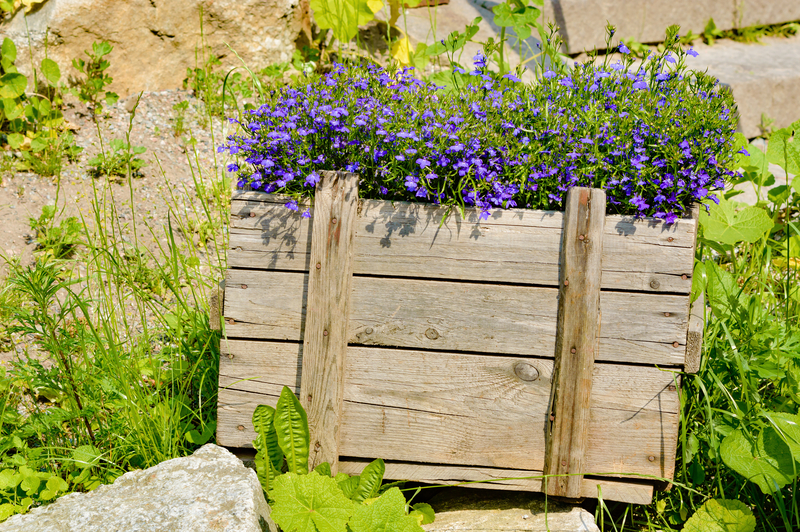
- Upcycling: Turn old pans into planters, utensil holders, or quirky wall hangings. It's not everyone's taste, but it can look rather charming in a cottage kitchen.
5) Special Considerations: Non-Stick, Ceramic, and Coatings
- Non-stick pans (PTFE/Teflon-type): The metal base (often aluminium or steel) is recyclable; the coating is processed during metal recycling and smelting. Important: Don't try to burn off coatings yourself--it's hazardous and unnecessary. Also, PFOA (previously used in some legacy non-stick manufacturing) has been effectively phased out in the UK and EU since the early 2010s, with restrictions under REACH.
- Ceramic-coated pans: Similar approach: the metal can be recycled, but pure ceramic cookware (no metal) may not be accepted in metal streams. Ask your HWRC where to place it.
- Enamelled cast iron: Still recyclable as metal. The enamel is a surface layer that metal recyclers can handle in processing.
6) For Businesses and Caterers
- Audit your inventory. Group items by metal type to improve rates and streamline handling.
- Use a licensed waste carrier. Keep Waste Transfer Notes and, if relevant, weighbridge tickets. It's part of your Duty of Care.
- Schedule collection or delivery. For higher-value metals (e.g., copper stock pots), call ahead for indicative pricing. Prices vary daily.
Done right, replacing a full suite of kitchenware can become a tidy sustainability win on your annual ESG update.
Expert Tips
- Magnet and screwdriver at the ready: The magnet sorts ferrous vs non-ferrous quickly; the screwdriver removes handles in seconds. Simple tools, big difference.
- Don't sweat tiny residues. Recyclers expect some wear. Give it a wipe, and you're fine.
- Batching boosts value: Non-ferrous metals like copper and aluminium can bring better prices if you have enough to make a trip worthwhile.
- Photograph donations: If you're a business, photos help document the condition for auditors or trustees. You'll thank yourself later.
- Ask your HWRC team: Staff know their site's rules. A quick question at the gate can save you a second trip.
- Cast iron isn't ruined--usually: Even a rusty skillet can be revived with steel wool, hot water, and a good seasoning session. You'll hear it sizzle a bit when the oil hits fresh metal. That's the good sound.
- Safety first with coatings: Never sand or torch non-stick. If you're unsure, go straight to metal recycling streams and let industrial processes handle it safely.
- Label bags or boxes: "Metal pans only" on the box makes sorting at the HWRC smoother, especially on a busy Saturday when everyone's doing dump runs.
Little things add up. You'll feel organised, and to be fair, a bit proud.
Common Mistakes to Avoid
- Putting cookware in kerbside recycling: Most UK councils won't accept pots and pans in the kerbside bin. Use HWRCs or scrap dealers.
- Burning off non-stick coatings: Dangerous and unnecessary. Leave coatings to professional recyclers' processes.
- Throwing usable items away: If it's safe and sound, donate first. Someone nearby will be thrilled to have a proper saucepan.
- Assuming all glass is the same: Tempered glass lids may be routed differently from jars and bottles. Ask at the site.
- Ignoring plastic and wood parts: You don't have to remove them, but doing so can speed up processing and sometimes improve scrap pricing.
- Not checking local rules: HWRC layouts vary. Quick website check, quick win.
One more: overthinking it. The perfect can be the enemy of the good. Get it 80% right and recycle--today, not someday.
Case Study or Real-World Example
Case: From Cluttered Cupboards to Circular Win in South London
On a grey Saturday--gloves on, kettle still warm--a family in Streatham decided to clear out a jumble of cookware collected over a decade. Here's how it played out.
- Audit: 3 non-stick frying pans (2 badly scratched), 2 stainless saucepans with loose handles, 1 big cast iron casserole with a chipped enamel lid, 4 mismatched lids, 1 copper-bottom pan, and a tangle of silicone handles.
- Triage: Cast iron casserole cleaned and re-seasoned (kept). Stainless saucepans tightened with new screws (kept). One decent non-stick pan donated to a local student group. The rest--metal recycling.
- Prep: They used a magnetic test to sort ferrous from non-ferrous and removed plastic grips. Everything was boxed, labelled, and wiped down.
- Drop-off: Drove to the nearest HWRC. Staff directed them to the metal skip and a separate glass area for lids.
- Outcome: 12.4 kg of metal diverted from landfill. A cupboard that finally closed without a wrestle. And a warm note from a student who got a free pan and a starter saucepan set--proper feel-good moment.
Small story, big vibe. The kitchen felt lighter. Dinner tasted better that night--or maybe that's just how it felt.
Tools, Resources & Recommendations
Simple Tools
- Magnet: For quick metal sorting.
- Screwdrivers and pliers: Phillips, flat-head, and a small set of bits for odd screws.
- Work gloves: Old pan edges can be sharp.
- Microfibre cloths and mild degreaser: A quick wipe helps.
- Steel wool / scouring pad: For cast iron and stubborn residues if reusing.
Where to Take Your Cookware (UK)
- Household Waste Recycling Centres (HWRCs): Search your local council's site for "HWRC metal recycling." Hours vary; Sundays can be busy.
- Licensed Scrap Metal Dealers: Look for operators licensed under the Scrap Metal Dealers Act 2013. Bring photo ID; expect bank transfer or cheque (no cash).
- Reuse Networks: Community groups, Freegle/Freecycle-style networks, local Facebook groups, or charity shops that accept clean cookware.
Recommended Practices
- Batch your trip: Combine with other metal items--old baking trays, broken metal racks, even bent cutlery.
- Label boxes: "Ferrous," "Non-ferrous," "Glass lids." It makes you look like you've got your life together--because you do.
- Check opening times: Some HWRCs require bookings or resident permits.
Law, Compliance or Industry Standards (UK-focused)
For households, compliance is mostly about using the right facilities. For businesses, a few key points matter:
- Waste Hierarchy (Waste (England and Wales) Regulations 2011): Prioritise prevention, then reuse, then recycling, then other recovery, and finally disposal. In plain terms: try repair or donation first, then recycle.
- Duty of Care (Environmental Protection Act 1990, s34): Businesses must ensure waste is handled safely and only by authorised persons. Keep Waste Transfer Notes when passing materials to a recycler.
- Scrap Metal Dealers Act 2013: Dealers must be licensed; sellers must show photo ID; and cash-for-scrap transactions are prohibited. Expect electronic or cheque payments.
- Environmental Permitting (England and Wales) Regulations: Sites handling metal waste require appropriate permits. Choose licensed facilities for traceability.
- Chemicals and coatings: PFOA--once used in some non-stick manufacturing--has been restricted under UK/EU chemical regulations. Modern pans are typically PFOA-free. Regardless, recycling processes handle coatings safely; do not attempt removal at home.
- WEEE Regulations: Not generally applicable to pots and pans unless they include electrical components (e.g., an electric skillet). If it plugs in, treat it as electrical waste.
For UK businesses aiming at ESG targets, disposing of cookware via licensed recyclers--and recording weights--supports transparent reporting and often pleases auditors.
Checklist
- Sort: Decide what to keep, donate, repair, or recycle.
- Identify materials: Use a magnet and a keen eye.
- Prepare: Remove plastic/wood grips where possible; separate glass lids.
- Clean: Quick wipe to remove heavy grease.
- Choose destination: HWRC, scrap yard, or donation route.
- For businesses: Book a licensed carrier; keep transfer notes and weights.
- Safety: Gloves on, no burning/sanding coatings.
- Follow-up: Enjoy your tidy cupboards and lighter footprint.
Conclusion with CTA
Recycling pots and pans for a greener planet isn't complicated once you know the path. Metals are valuable, durable, and endlessly recyclable; your old cookware is a resource disguised as clutter. With a magnet in one hand and a plan in your head, you can shift a messy cupboard into a simple sustainability win--today.
And if you're a business or community group swapping out a full set, it's even more impactful. Record the weights, choose licensed partners, and share the story. People like to know the good you've done. It inspires more of the same.
Get a free quote today and see how much you can save.
Take a breath. You've got this. A tidier kitchen, a lighter planet--bit by bit, we all move forward.
FAQ
Can non-stick pans be recycled?
Yes. The metal base (often aluminium or steel) is recyclable. Do not try to burn or sand off the non-stick coating--recycling facilities handle coatings safely during processing.
Do I need to remove handles and lids before recycling?
It's not mandatory, but removing plastic or wooden handles and separating glass lids can speed up sorting and, in some cases, improve scrap value.
Can I put pots and pans in my kerbside recycling bin?
Usually no in the UK. Most councils ask you to take cookware to an HWRC or a licensed scrap metal dealer. Always check your local guidance.
Are scratched non-stick pans unsafe?
Deep scratches can reduce non-stick performance and may release small flakes of coating. If a pan is heavily worn or damaged, it's best to retire it and recycle the metal.
What about ceramic or enamel pans?
Enamelled cast iron is recyclable as metal. Ceramic-coated pans with a metal core can also be recycled; pure ceramic cookware may require a different disposal route--ask your HWRC where to place it.
Is there any cash value in recycling cookware?
For households, it's modest, but non-ferrous metals (aluminium, copper) can add up. For businesses or larger batches, obtain a quote from a licensed scrap metal dealer.
Can I donate used pots and pans?
Yes, if they're clean and safe to use. Try charity shops, community kitchens, student groups, or online community platforms. Donate before you recycle.
How do I revive a rusty cast iron pan?
Scrub with steel wool to bare metal, rinse and dry thoroughly, then season with a thin layer of oil in a hot oven until it polymerises. Repeat as needed. It's magic when it works.
What if my pan has a copper bottom?
Still recyclable. If you have multiple copper-bottom items, a scrap dealer may offer a better rate than a general HWRC drop-off. Separate them if possible.
Do businesses need paperwork for recycling cookware?
Yes. Under Duty of Care rules, keep Waste Transfer Notes and weighbridge tickets where relevant. Use licensed carriers and facilities.
Is PFOA still an issue in non-stick pans?
PFOA has been effectively phased out in the UK and EU for years. Regardless, don't burn or grind coatings; just route pans to proper metal recycling streams.
What should I do with glass lids?
Many HWRCs accept them with glass recycling, but rules vary. Check on site; some ask for a separate bin for tempered glass.
Can induction pans be recycled?
Yes. Induction-ready pans typically contain magnetic steel layers--still recyclable like other cookware.
Does the dishwasher-safe label affect recycling?
No. Dishwasher-safe is about use, not end-of-life. Recyclability depends on the metal and construction, not the label.
What's the quickest way to sort a mixed box?
Use a magnet to split ferrous from non-ferrous items, remove obvious plastic or wood, separate glass lids, and box up neatly. Ten minutes well spent.
Is upcycling cookware safe?
Yes, if you're using it decoratively (planters, wall art). For food use after upcycling, ensure surfaces are food-safe and undamaged.
One last thought: it's your kitchen, your rhythm. Make the choices that feel right--and a little kinder--to you and the planet.