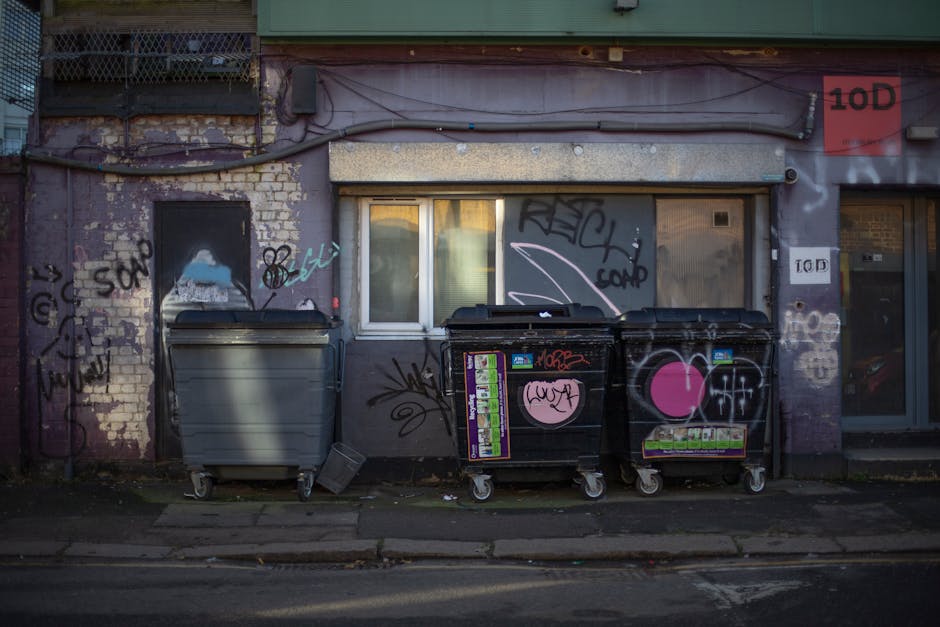
Fore Street Edmonton rubbish clearance local guide
If you live, work, or manage a property near Fore Street in Edmonton, rubbish has a funny habit of building up at exactly the wrong time. One week it is a few broken chairs and a bag of mixed junk; the next, it is a hallway you can barely walk through, a garden full of old timber, or a back room that has turned into a storage trap. This Fore Street Edmonton rubbish clearance local guide is here to make the whole thing feel far less messy. It explains how rubbish clearance works locally, what to expect, what to avoid, and how to choose the right approach for your situation.
Whether you are clearing a flat, an office, a garage, or a pile of builder's waste after a small project, the aim is the same: get things removed safely, legally, and without turning the day into a saga. Truth be told, that last part matters more than people think.
Table of Contents
- Why this local guide matters
- How rubbish clearance in Fore Street Edmonton works
- Key benefits and practical advantages
- Who this is for and when it makes sense
- Step-by-step guidance
- Expert tips for better results
- Common mistakes to avoid
- Tools, resources and recommendations
- Law, compliance and best practice
- Options and comparison table
- Case study example
- Practical checklist
- Conclusion
- Frequently asked questions
Why Fore Street Edmonton rubbish clearance local guide Matters
Fore Street and the wider Edmonton area have a mix of homes, flats, shops, small businesses, and older properties that often do not offer much spare space. That means rubbish can get in the way quickly. A few bulky items near the front door become a problem for access. A loft full of forgotten furniture becomes a project you keep putting off. A small refurb creates a pile of waste that is too awkward for normal bin collections.
A local guide matters because rubbish clearance is not just about lifting things away. It is about timing, access, sorting, disposal routes, and choosing a method that fits the property. In a busy area, you also want to minimise disruption to neighbours, passers-by, and anyone trying to use the space. If you are clearing from a tight stairwell or shared entrance, the details matter quite a lot.
There is also the trust side of it. Not every clearance option is equal. You want someone who can handle mixed waste sensibly, separate reusable items where possible, and dispose of everything properly. If you want to understand a provider's broader approach, it can help to look at their about us page and their recycling and sustainability information before making a decision.
Practical takeaway: the best rubbish clearance is rarely the cheapest or the fastest on paper; it is the one that removes the stress without creating a new problem later.
How Fore Street Edmonton rubbish clearance local guide Works
Most rubbish clearance jobs follow a similar pattern, even if the property or waste type changes. You describe what needs removing, the provider assesses access and volume, then the team arrives to load, clear, sort, and dispose of items. Simple enough, but the details shape the experience.
In practice, the process often starts with a rough description: "two sofas, a mattress, some boxes, and a broken wardrobe" or "builders' rubble from a bathroom rip-out." A good clearance service will ask sensible questions about volume, access, parking, and whether the waste includes heavy, awkward, or unusual items. That conversation saves time later. And, frankly, it stops everyone from guessing.
For domestic jobs, you may be dealing with household clutter, white goods, furniture, loft contents, garage waste, or garden debris. For commercial settings, the waste may be office furniture, filing, packaging, shelving, or old stock. If your clearance is business-related, the requirements can be a little different, so it is worth looking at business waste removal and office clearance if those are relevant.
The best services also think about segregation. That means separating items that can be reused, recycled, or processed differently from general mixed waste. This is one of those unglamorous bits that makes a real difference. You do not always see it happening, but you notice the result in better organisation and fewer headaches.
Key Benefits and Practical Advantages
There are plenty of reasons people choose professional clearance rather than trying to handle everything alone. Some are obvious, some less so.
- Speed: A team can clear in hours what might take you all weekend.
- Less physical strain: Heavy furniture, bags of rubble, and awkward items are not fun on the stairs.
- Better access management: Useful when parking is tight or entrances are shared.
- Cleaner finish: Space is left usable, not just "less full."
- More sensible disposal: Items can be sorted for reuse, recycling, or safe disposal.
- Reduced stress: This is a big one, even if people do not always say it out loud.
There is also the practical advantage of getting a problem off your mental to-do list. Let's face it, clutter has a way of nagging at you from the corner of a room. You see it every time you walk past. Once it is gone, the space feels different. Quieter, somehow.
For bulky household items, the right support can make a huge difference. If the job is mainly old sofas, tables, wardrobes, or broken chairs, you may find the dedicated furniture clearance and furniture disposal pages helpful. For larger domestic jobs, house clearance or home clearance may be the better fit.
Who This Is For and When It Makes Sense
This type of clearance is useful for a lot of people, not just homeowners doing a big spring clean. In fact, some of the most common jobs are the awkward in-between ones: not enough for a skip, but too much for a normal bin day.
You may need rubbish clearance if you are:
- moving out of a flat or house and need things removed quickly
- clearing a rental property between tenancies
- getting rid of old furniture after a replacement delivery
- emptying a garage, loft, shed, or storage room
- tidying a garden after a renovation or seasonal clean-up
- disposing of builder's waste after DIY or refurb work
- clearing office furniture or business waste from a local unit
For smaller living spaces, especially flats, access and lift capacity can shape everything. Shared stairwells, narrow hallways, and timed parking windows can make what seems like a simple job a bit fiddly. That is why a flat clearance service can be a better match than trying to do it piecemeal.
On the other hand, if your pile includes heavy soil, hedge cuttings, fencing, or old plant pots, a garden clearance is more appropriate. If it is plasterboard, brick, tiles, timber offcuts, or mixed renovation waste, look at builders waste clearance. Matching the service to the waste type keeps things smoother. Not perfect, but much smoother.
Step-by-Step Guidance
If you want a straightforward way to plan clearance near Fore Street, this is the process I would recommend.
- Walk the space first. Look at everything that needs to go. Separate obvious keep, donate, recycle, and remove piles if you can.
- Check access. Measure tight doors, note stairs, and think about parking or loading space.
- Identify special waste. Things like paint tins, electricals, fridges, plasterboard, and sharp materials may need handling differently.
- Take a few photos. This helps when requesting a quote and avoids misunderstandings.
- Ask about timings. Confirm whether the team can work around residents, tenants, or business hours.
- Agree what is included. Make sure loading, labour, and disposal expectations are clear before the job begins.
- Prepare the area. Leave a clear route if possible. Move small valuables or personal papers out of the way.
- Check the final space. Once the waste is gone, do a quick sweep and make sure nothing has been left behind.
One small tip that saves a surprising amount of hassle: group similar items together before the team arrives. A stack of mixed bits and pieces is harder to assess than a neat run of furniture, sacks, and cardboard. You do not need to over-organise it, just enough to make the job readable.
If cost clarity matters, it is worth reviewing pricing and quotes before you book. A clear quote conversation is usually a good sign.
Expert Tips for Better Results
After enough clearance jobs, a few patterns show up again and again. These small habits can make the whole thing go better.
- Be specific about what is in the pile. "Mixed rubbish" is not useless, but it is less helpful than naming furniture, rubble, or electrical items.
- Tell the team about access quirks early. A basement flat, locked gate, or narrow turning circle changes planning.
- Keep a basic separation mindset. Recyclables, reuse items, and general waste should not all be treated the same if it can be avoided.
- Factor in neighbours and shared spaces. A quick heads-up can prevent a small job from causing irritation.
- Don't leave everything until the last minute. Last-minute clearances are doable, but calm is always better than panic.
Another quiet win: if you know you have items that could be reused, mention that when discussing the job. Some things may be suitable for a second life even if they are no longer right for you. No magic trick there, just practical judgement.
And if the job is being done in a workplace, it helps to think about staff movement, customer flow, and break times. A bit of timing can make the difference between a tidy clearance and a chaotic corridor. Nobody wants boxes arriving during the morning rush. Nobody.
Common Mistakes to Avoid
A lot of clearance stress comes from avoidable mistakes. Usually not dramatic ones, just the small oversights that snowball.
- Underestimating volume: A half-full room can turn into a full van very quickly.
- Ignoring access: Tight staircases and parking restrictions can affect the job more than the waste itself.
- Mixing everything together: This can slow down sorting and make disposal less efficient.
- Forgetting special items: Fridges, mattresses, paints, and electricals may need separate handling.
- Assuming all clearances are the same: House, loft, garage, garden, and office jobs each have different practical demands.
- Not checking what happens next: Reuse, recycling, and disposal should all be clear before work starts.
One fairly common problem is thinking a short job means a simple job. Sometimes it does. Sometimes it absolutely does not. A wardrobe on a ground floor landing is easy enough. That same wardrobe on a third-floor walk-up with a small turning staircase? Different story. Small story, big difference.
If your clutter is tucked away in a hard-to-reach space, consider the relevant specialist page such as loft clearance or garage clearance rather than assuming one generic approach will do everything.
Tools, Resources and Recommendations
You do not need a van full of equipment to start preparing for rubbish clearance, but a few simple tools help.
- Sticky notes or labels: useful for marking keep, remove, recycle, or donate groups.
- Strong bin bags and boxes: better for loose mixed items and small clutter.
- Gloves: sensible when handling dusty loft contents, broken items, or garden waste.
- Phone camera: ideal for taking before-and-after photos and getting accurate quotes.
- Measuring tape: handy for checking whether large items will fit through doors or down stairs.
For many readers, the most useful resource is simply a provider that explains its processes clearly. A trustworthy business will usually make it easy to understand how they work, how they handle payments, and how they approach safety. Pages like insurance and safety, health and safety policy, and payment and security can help you judge that before anyone arrives on site.
For a general sense of service scope, waste removal is a useful starting point because it covers the broader picture, while the more specific pages help when your job needs a tailored approach.
Law, Compliance, Standards, or Best Practice
Rubbish clearance in the UK is not something you want done casually. The main principle is simple: waste should be handled lawfully, safely, and with care for the environment. That does not mean every reader needs to become a compliance expert. It does mean you should know the basics.
Best practice usually includes:
- making sure waste is passed to a legitimate operator
- separating reusable and recyclable items where practical
- handling hazardous or awkward materials appropriately
- keeping access routes safe and unobstructed during loading
- avoiding fly-tipping and unofficial disposal arrangements
If you are disposing of commercial waste, you may have additional duties around sorting and record-keeping depending on the material and your business setup. In domestic settings, the main thing is to avoid handing waste to anyone who cannot explain what happens next. If a clearance offer sounds too vague, that is usually a sign to slow down.
It is also sensible to ask about public liability cover, staff safety, and how fragile or hazardous items are managed. That is especially true in mixed-use areas where people are coming and going, or in buildings with communal access. A good operator should be comfortable talking through the practical side without sounding defensive. That calmness matters.
Options, Methods, or Comparison Table
There is more than one way to clear rubbish near Fore Street. The right method depends on space, waste type, urgency, and how much lifting you want to do yourself.
| Method | Best for | Pros | Watch-outs |
|---|---|---|---|
| Professional rubbish clearance | Mixed household, office, or bulky waste | Fast, convenient, minimal heavy lifting | Needs clear access and an accurate description |
| Specialist furniture clearance | Sofas, wardrobes, tables, mattresses | Good for bulky interior items | May not suit rubble or garden waste |
| Builders waste clearance | DIY debris, rubble, timber, mixed renovation waste | Handles heavier, dirtier material well | Can be more complex if waste is mixed with household items |
| DIY transport to disposal point | Small loads and very flexible schedules | Full control over timing | Time-consuming, physically demanding, and not ideal for bulky items |
For many people, the professional route is the best balance of effort and outcome. If the job is small and straightforward, doing it yourself can make sense. But once stairs, time pressure, and mixed waste enter the picture, convenience starts to look very attractive, rather quickly.
Case Study or Real-World Example
Here is a realistic local-style scenario. A landlord near Fore Street needs a one-bedroom flat cleared between tenancies. The flat contains a broken bed frame, an old sofa, several bags of mixed clutter, a small shelving unit, and a few items in the hallway that are blocking access. The job is not huge, but it is awkward because the building has a narrow stairwell and shared entry.
The sensible approach is to sort the obvious keep items first, take photos for a quote, and tell the clearance team about the access limitations. The furniture is grouped near the front room, bags are placed where they are easy to lift, and the hallway is kept clear. On the day, the team can work through the route efficiently without bumping into walls or stopping every few minutes to reshuffle things. In a job like that, it is not glamour that saves the day. It is preparation.
A similar pattern shows up with garages. A resident may think the garage is "just full of junk," but once the items are separated, there may be broken garden tools, old paint tins, furniture, sports gear, and building offcuts all in one place. That is where garage clearance can be especially useful, because the job becomes structured instead of chaotic.
Practical Checklist
Use this before booking or carrying out a clearance near Fore Street.
- Have I listed everything that needs removing?
- Do I know whether the items are furniture, garden waste, builders waste, or mixed rubbish?
- Have I checked access, stairs, lift use, and parking?
- Have I taken photos for reference?
- Have I separated anything I want to keep?
- Are there any items that need special handling?
- Have I confirmed the quote basis and what is included?
- Do I know when the clearance will happen?
- Have I thought about neighbours, tenants, staff, or customers?
- Do I understand how the waste will be dealt with afterwards?
If you can tick most of those off, the job usually feels much less stressful. Not always easy, but much better.
Conclusion
Fore Street Edmonton rubbish clearance is ultimately about making a difficult job simpler, safer, and more predictable. The more clearly you define the waste, the access, and the outcome you want, the easier it is to get a good result. That is true whether you are clearing one bulky item or an entire property.
The best local guide is not the one that tries to impress you with jargon. It is the one that helps you avoid mistakes, saves you time, and leaves the space genuinely ready to use again. If your rubbish is starting to spill into daily life, taking action now is usually easier than waiting until it becomes a bigger job.
Get a free quote today and see how much you can save.
And if all you need is a steady hand and a sensible plan, that is enough. Small steps, sorted properly, can make a room feel new again.
Frequently Asked Questions
What does rubbish clearance near Fore Street Edmonton usually include?
It normally includes collection, loading, removal, and disposal of unwanted items such as furniture, general household rubbish, garden waste, office items, or light builders debris. The exact scope depends on the provider and the type of waste you have.
How do I know whether I need house clearance or general waste removal?
If you are clearing most of a property or multiple rooms, house clearance is often the better fit. If the job is smaller or mixed, waste removal may be more appropriate.
Can furniture be cleared on its own?
Yes. Sofas, wardrobes, tables, bed frames, and similar items can usually be removed as part of a dedicated furniture job. If your clearance is mainly bulky household furniture, furniture clearance or furniture disposal is a sensible starting point.
What happens to items after they are collected?
Good operators sort items for reuse, recycling, and disposal where practical. Not everything can be reused, of course, but a clear process should be in place. If sustainability matters to you, check the provider's approach to recycling and sustainability.
Is rubbish clearance suitable for flats and shared buildings?
Yes, but access planning is especially important. Flats often involve stairwells, lifts, communal entrances, and limited parking. A flat clearance service is often better for these situations.
How far in advance should I book a clearance?
As soon as you know the job needs doing. Some clearances are urgent, but a bit of notice usually helps with access planning and pricing. If the work is tied to a move-out date, leave yourself some breathing room. It is kinder to your future self, honestly.
What if I have builders waste after a DIY project?
That is common. Materials such as timber offcuts, rubble, tiles, plasterboard, and broken fixtures are usually better handled as builders waste clearance rather than mixed domestic rubbish.
Can I clear a garage, loft, or garden as part of the same job?
Often yes, provided the waste types and access details are clear. For a garage, loft, or outdoor area, it can help to use the relevant service page such as garage clearance, loft clearance, or garden clearance.
What should I ask before accepting a quote?
Ask what is included, how the waste will be handled, whether labour and loading are covered, and whether there are any access or special-item assumptions. Clear quotes are usually the most reliable ones. A visit or photo-based estimate can help avoid surprises.
Is it worth reading a company's policy pages?
Yes, especially if you want confidence about safety, payment, and responsibilities. Pages like terms and conditions, insurance and safety, and payment and security can tell you a lot about how a business works.
How do I make the clearance day go more smoothly?
Sort what you can beforehand, give accurate access details, keep routes clear, and mention anything awkward or fragile. A little preparation goes a long way. Nothing fancy, just practical common sense.
Who should I contact if I want to ask about a specific job?
If you want to discuss your clearance in more detail, use the company's contact page. For background on the business first, their about us page is a useful place to start.