Fines Explained: Illegal Dumping Penalties in Edmonton N9
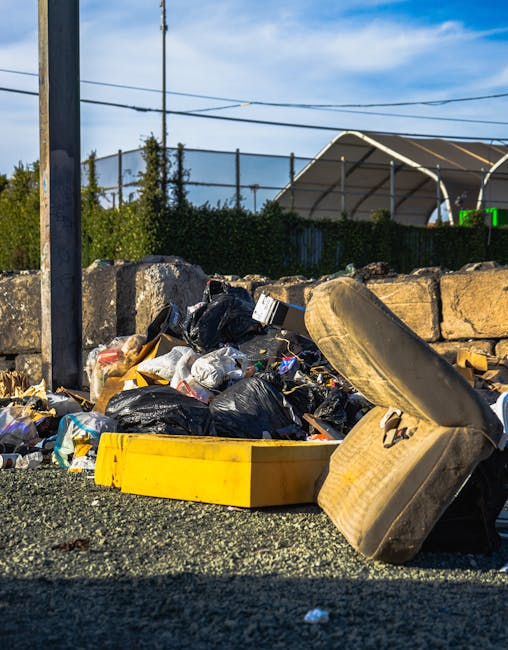
Illegal dumping sounds like one of those problems that happens "somewhere else" until it lands on your street. A mattress left by a wall, rubble tipped behind a shop, black bags dumped beside a bin store. In Edmonton N9, those moments can quickly turn into a costly headache. This guide breaks down Fines Explained: Illegal Dumping Penalties in Edmonton N9 in plain English, so you can understand the risk, the process, and the sensible next steps if you are trying to avoid trouble or clean up properly.
We will look at what counts as illegal dumping, why penalties are used, what usually happens when waste is left unlawfully, and how to reduce the chances of being fined. You will also find practical advice, a comparison table, a checklist, and a few real-world examples that make the whole thing easier to picture. No drama. Just the stuff that actually helps.
Why Fines Explained: Illegal Dumping Penalties in Edmonton N9 Matters
Illegal dumping is not just an eyesore. It can block footpaths, attract pests, create safety hazards, and push cleanup costs onto residents, landlords, and businesses who had nothing to do with the mess. In a busy area like Edmonton N9, where homes, shops, rental properties, and small commercial premises often sit close together, a single abandoned pile of waste can become everyone's problem very quickly.
To be fair, most people do not set out to dump waste illegally. It often starts with bad planning, a rushed move, or somebody assuming "I'll sort it tomorrow." But the law and local enforcement usually care about the outcome, not the intention. If waste ends up in the wrong place, there can be penalties attached. And those penalties can rise when the material is bulky, hazardous, or left for other people to deal with.
There is also a reputational angle. For businesses, especially, a pile of dumped waste outside a property can damage trust almost instantly. Customers notice. Neighbours notice. The council notices. That is why understanding the penalties is useful even if you never intend to break the rules. It helps you make better choices under pressure, which is where mistakes usually happen.
Expert summary: Illegal dumping penalties are meant to discourage careless disposal, protect public spaces, and make sure waste is handled by the right people, in the right way, at the right time.
How Fines Explained: Illegal Dumping Penalties in Edmonton N9 Works
The basic idea is straightforward: waste should be disposed of legally, and if it is abandoned, fly-tipped, or left in a way that causes a nuisance or hazard, enforcement action may follow. Depending on the circumstances, that can mean a fixed penalty, a larger fine, an investigation, or a requirement to remove the waste. In more serious cases, the consequences can become more formal and more expensive.
The exact penalty is not something to guess at. It can depend on what was dumped, where it was left, whether it caused danger, whether there is evidence linking it to a person or business, and whether there is a repeated pattern. A single sofa dumped behind a block may be treated differently from a van load of construction rubble left on a verge. Same broad problem, different level of risk.
Here is the part many people miss: enforcement often relies on evidence. An address label, a receipt, a bank statement, a witness statement, or even a vehicle registration can be enough to start a chain of enquiries. That is why dumping "just a few bits" is still a serious thing. Waste has a habit of telling on people. Annoying, but true.
If you are a landlord, tenant, tradesperson, or shop owner in Edmonton N9, the safest assumption is simple: if you are responsible for the waste, you are responsible for making sure it is removed properly. That is where proper clearance and documented disposal matter. Services such as waste removal and recycling and sustainability are part of that bigger picture because they help reduce the chance of waste being left in the wrong place.
Key Benefits and Practical Advantages
It might sound odd to talk about "benefits" in a fines article, but there are real practical advantages to understanding this topic clearly. The biggest one is simple: you can avoid an expensive mistake. That alone is worth paying attention to.
- Lower financial risk: Knowing what counts as illegal dumping helps you avoid penalties that can be far more costly than proper disposal.
- Better planning: Once you understand the rules, you can schedule clearance before waste becomes a problem.
- Less stress: Nobody enjoys wondering whether a pile of rubbish outside a property might lead to a knock on the door.
- Cleaner surroundings: Proper disposal keeps pavements, yards, and shared spaces safer and more pleasant.
- Stronger business image: For companies, tidy waste handling suggests care, professionalism, and attention to detail.
There is also a quieter benefit that is easy to overlook: peace of mind. If you know your waste is being dealt with correctly, you stop worrying about what might happen later. That sounds small, but it makes a real difference during busy moves, refurbishments, end-of-tenancy clearances, or office changes.
In some cases, choosing a proper clearance route can also protect you from disputes. If waste is mixed up with someone else's property, or left by a contractor, clear records and a sensible disposal plan make it easier to show what happened. Not glamorous, but very useful.
Who This Is For and When It Makes Sense
This topic matters to more people than you might think. If you live in a flat, manage a rental, run a business, or are dealing with leftover renovation waste, illegal dumping penalties are relevant because the risks often show up around ordinary life events.
You may need this information if you are:
- a tenant clearing out a property at short notice
- a landlord dealing with dumped items after a move-out
- a business owner trying to avoid mess outside a commercial unit
- a contractor managing rubble, packaging, or site waste
- a homeowner clearing a garage, loft, or garden and unsure what can be left where
- a family handling an inherited property or a large house clearance
It also makes sense if you have ever thought, "Can I leave this beside the bin for collection?" or "Will someone else take care of it?" Those are the exact moments where people get caught out. The line between lawful disposal and unlawful dumping is not always obvious until it is too late.
If your situation involves large volumes of waste, mixed materials, awkward furniture, or waste from a building job, it is usually smarter to plan ahead. Services such as house clearance, office clearance, and builders waste clearance can help keep waste moving through the right route instead of sitting around and causing trouble.
Step-by-Step Guidance
If you are trying to stay on the right side of things, the process does not have to be complicated. It just needs to be deliberate. A messy plan is usually what creates a messy outcome.
1. Identify what you actually have
Start with the basics. Is it general household rubbish, old furniture, garden waste, construction debris, office contents, or a mix? Different waste types carry different handling needs. A broken chair is not the same as plasterboard, and a leaking tin of paint is certainly not the same as cardboard.
2. Decide whether it needs special handling
Some items are straightforward. Others are awkward, heavy, or potentially hazardous. If you are looking at paint, chemicals, electrical items, sharp metal, or soaked materials, pause. Do not just move it outside and hope for the best. That tends to age badly.
3. Choose a lawful removal method
Your options usually include taking waste to the correct facility yourself, arranging a collection service, or booking a full clearance. The right choice depends on the volume, your time, and whether you can safely move the items. For bulkier jobs, professional removal often ends up being the cleaner solution, especially when staircases, shared entrances, or parking restrictions are involved.
4. Keep records
For businesses and landlords, records matter. Keep invoices, collection notes, photos if useful, and any communication about the clearance. If a dispute comes up later, documentation can save a lot of back-and-forth.
5. Do not leave waste in a "temporary" spot
This is one of the most common traps. People think a back alley, shared yard, or corner of a car park is only temporary. Then a day becomes a week, and suddenly it looks abandoned. That is when complaints start. And frankly, once waste is sitting there in the rain, it never looks better.
6. Act quickly if waste has already been dumped
If you are dealing with waste someone else left behind, remove it promptly, report it through the proper channels if needed, and avoid moving it into another public space. Dumped waste does not become less serious just because everyone is looking the other way.
Expert Tips for Better Results
After handling enough clearances, one thing becomes obvious: prevention is easier than damage control. A few small habits make a huge difference.
- Book waste removal before the job starts: Do not wait until the end of a clearance when piles are already blocking the hallway.
- Separate waste early: Keep recyclable items apart from mixed rubbish where possible. It makes disposal smoother.
- Use the right size solution: A small load does not always need a full clearance, but a bigger job usually does.
- Be careful with skips and shared spaces: If a container is left in the wrong place, it can create complaints before it is even full.
- Think about access: Narrow drives, stairwells, and busy streets can affect how waste should be moved.
- Keep neighbours in mind: Early morning banging, smells, and blocked access can turn a simple job into a social problem fast.
A practical note from day-to-day work: the best clearance jobs are usually the boring ones. Everything sorted, everything logged, everything gone on time. No drama, no mystery bag left behind, no awkward phone call two days later. Lovely.
If your waste stream is mostly domestic items, a service like furniture disposal or furniture clearance can be a neater fit than trying to improvise a one-off solution. If you are clearing outdoor space, garden clearance may be the more sensible route.
Common Mistakes to Avoid
Most illegal dumping problems are not grand, deliberate acts. They are usually avoidable mistakes made under pressure. Here are the ones that come up again and again.
- Leaving waste beside communal bins: Unless it is specifically allowed, that can still count as improper disposal.
- Assuming someone else will collect it: Hope is not a waste plan.
- Using the wrong waste contractor: If a contractor cuts corners, the original waste owner may still face consequences.
- Mixing legal and illegal disposal methods: Some items are removed properly while others are left behind. That inconsistency causes trouble.
- Ignoring bulky items: Sofas, mattresses, desks, and cabinets are exactly the kind of items that become problems when abandoned.
- Waiting too long: The longer waste sits, the more likely it is to be treated as dumped rather than temporarily stored.
One easy-to-miss issue is the "someone else was doing it" defence. In practice, that often does not help much if your waste was the one left behind. If you arranged the job, you need to be confident it was completed properly. Otherwise, things can become messy very quickly. A bit unfair? Sometimes, yes. But that is how responsibility usually works.
Tools, Resources and Recommendations
You do not need a complicated toolkit to manage dumping risk. What you do need is a practical setup and a few good habits.
- Checklists for moves and clearances: Keep a simple list of every room, area, and item category.
- Photo records: A few photos before and after can help show what was removed and what was left.
- Collection notes or invoices: Paperwork matters more than people expect, especially for businesses.
- Protective gloves and suitable bags: Useful for small jobs, but not a substitute for proper removal planning.
- Clear access routes: Make sure doors, hallways, and loading points are usable before the work starts.
Where waste is mixed or substantial, it may be more efficient to book a service that matches the type of property. For example, flat clearance can be useful where access is tight, while home clearance is often the right fit for larger domestic jobs. If you are dealing with more structured business waste, business waste removal may suit better.
If you are comparing service quality, look for clarity, responsiveness, and a sensible approach to disposal. Not flashy promises. Just the basics done well.
Law, Compliance, Standards, or Best Practice
Without overcomplicating it, the key idea is this: waste should be stored, transported, and disposed of responsibly. In the UK, that generally means using lawful methods, avoiding nuisance, and making sure waste does not end up in places where it should not be. For local areas such as Edmonton N9, that principle matters just as much in a back alley as it does outside a shop or on a residential street.
For households, best practice means keeping waste in approved containers or arranging lawful removal. For landlords and businesses, it means having a clear process, checking contractors carefully, and keeping records. If you generate waste as part of your work, you should treat disposal as part of the job, not an afterthought.
One very practical standard is simple traceability. If waste moves from your property to somewhere else, you should be able to explain how and by whom. That is especially important with heavier items, multiple collections, and trade or office waste. It is also why a tidy paper trail is worth more than people realise.
Where possible, aim for reuse and recycling before disposal. It is not just about looking responsible. It can reduce volume, improve sorting, and keep less material from being abandoned in the first place. Services like recycling and sustainability can support that mindset by making the disposal route more considered from the start.
Options, Methods, or Comparison Table
Not every waste problem needs the same solution. The right method depends on volume, urgency, item type, and how much access you have. Here is a plain comparison to make it easier.
| Method | Best for | Pros | Watch-outs |
|---|---|---|---|
| Self-disposal | Small, manageable loads | Can be cheaper if you already have transport | Time-consuming, physically demanding, easy to get wrong if you are unsure |
| Scheduled collection | Regular waste streams or predictable clear-outs | Simple and routine | May not suit bulky or mixed items |
| Full clearance service | Large, awkward, or mixed waste loads | Less stress, quicker removal, better for access issues | Needs booking and clear scope |
| Ad hoc dumping or leaving items out | Nothing sensible, really | None worth having | Risk of fines, complaints, cleanup costs, and reputational damage |
If you are unsure which route fits, think about the size of the job first. Then think about access. Then think about timing. The right answer often appears once those three are clear. And if not, it usually means the job is bigger than expected.
Case Study or Real-World Example
A small landlord in Edmonton N9 cleared a two-bedroom flat after a tenancy ended and found a mixed pile of broken furniture, old packaging, and a few bags of general rubbish in the hallway. The initial thought was to leave it in the rear service area until the weekend. That seemed harmless enough at 9 a.m. By the next morning, however, the pile had grown in size as neighbours added their own bags. Not ideal.
Instead of letting it sit, the landlord arranged proper removal, documented what was there, and made sure the waste was taken away in one go. That did three things at once: it reduced the chance of a complaint, prevented the area from becoming a dumping spot, and avoided the sort of "who left this here?" argument that always seems to arrive at the worst possible moment.
In a different situation, a small business clearing an office in the same area had old desks, shelving, and broken chairs stacked near a skip. A better plan would have been to separate the items before they were moved, book removal in advance, and avoid leaving anything outside overnight. Simple changes, but they make a huge difference when the street is busy and people are walking past with coffee in one hand and a raised eyebrow in the other.
The lesson is pretty clear: once waste looks abandoned, it starts to create its own problems. Acting early usually costs less, looks better, and feels calmer.
Practical Checklist
Use this checklist before and during any clearance job:
- Have I identified every waste type involved?
- Do any items need special handling?
- Is there a lawful removal method in place?
- Have I arranged access for collection?
- Are there receipts, notes, or photos for the job?
- Have I avoided leaving waste in communal or public areas?
- Is the space likely to look "abandoned" if the waste sits there overnight?
- Have I separated reusable or recyclable material where possible?
- Do I know who is responsible if something goes wrong?
- Have I chosen a clearance option that fits the size of the job?
If you can tick most of those off, you are usually in a much safer position. If several are blank, stop and reset the plan. Better to pause for ten minutes than deal with a fine later on. No contest.
Conclusion
Illegal dumping penalties exist for a reason: they help keep Edmonton N9 cleaner, safer, and more manageable for everyone living and working there. The trick is not to memorise every possible penalty. It is to understand the principles well enough to avoid the mistakes that trigger enforcement in the first place.
If you are dealing with a one-off clearance, a property emptying, or a business waste problem, the smartest move is usually to plan disposal properly from the start, keep good records, and choose a method that fits the scale of the job. That way, you protect yourself from avoidable fines and reduce the chance of waste becoming somebody else's problem.
And honestly, that is the whole point. A tidy, lawful clearance is rarely glamorous, but it is a lot easier to live with than a fine, a complaint, or a mess that hangs around longer than it should.
Get a free quote today and see how much you can save.
When waste is handled well, the whole place feels lighter. Less clutter, less stress, and a bit more breathing room. Sometimes that is all you need.
Frequently Asked Questions
What counts as illegal dumping in Edmonton N9?
Illegal dumping usually means leaving waste where it should not be, such as on a pavement, in a communal area, beside bins without permission, or on land that is not authorised for disposal. It can include household rubbish, furniture, rubble, and mixed waste.
Can I be fined if I left waste out for collection and it was not taken?
If waste is left in a place where it should not be, there can still be problems, even if you expected it to be collected. The safer approach is to use a lawful collection method and make sure the timing and location are clear.
Who is usually responsible for dumped waste?
Responsibility can depend on the facts. Sometimes it is the person who placed the waste there, sometimes it is the property owner or occupier, and sometimes it becomes a wider investigation. Good records help show what happened.
Are businesses treated differently from households?
Businesses often face greater expectations because they are expected to manage waste as part of their operations. Poor waste control can affect safety, reputation, and compliance, so it is worth keeping a tighter process in place.
Does bulky waste attract bigger penalties?
It can, especially if the item creates a hazard, blocks access, or takes more effort to remove. A sofa, mattress, or building debris is more likely to cause attention than a small bag of rubbish.
What should I do if someone dumped waste outside my property?
Do not move it into another public area. Take photos, report it through the proper route if needed, and arrange removal as soon as you reasonably can. Leaving it there can make the problem worse.
Is it safer to hire a clearance service than to dump waste myself?
Yes, if you are unsure about disposal rules or have a large load. A proper clearance service reduces the chance of waste being left in the wrong place and makes the process far less stressful.
How can I reduce the risk of getting fined for waste issues?
Plan disposal before the job starts, use a lawful collection route, keep records, and do not leave waste in communal or public spaces. Small steps, but they matter a lot.
What records should I keep for waste removal?
Invoices, collection notes, photos, and any messages confirming what was removed are useful. For businesses and landlords, that paper trail can be extremely helpful if questions come up later.
What if my waste includes furniture, garden waste, or office items?
Mixed waste often needs a more organised solution. Furniture may suit a furniture-specific clearance, outdoor waste may need garden clearance, and office contents may need an office-focused collection. Matching the method to the waste is half the battle.
Can illegal dumping affect my reputation even if I did not mean to cause trouble?
Yes. Neighbours, customers, and local visitors often judge by what they see, not by what was intended. That is why prompt action and proper disposal are so important. In this sort of situation, perception moves quickly.
What is the best first step if I am overwhelmed by a clearance job?
Start by sorting the waste into broad categories and deciding what needs immediate removal. If the volume is larger than you expected, booking a clearance service is often the cleanest next step.
If you need a sensible way to handle waste without the guesswork, it helps to work with a team that understands proper removal, clear communication, and careful site handling. For more information about the company behind this guidance, see about us or review the insurance and safety information before booking. If you want to check how bookings, payments, or complaints are handled, the terms and conditions, payment and security, and complaints procedure pages are useful starting points.